
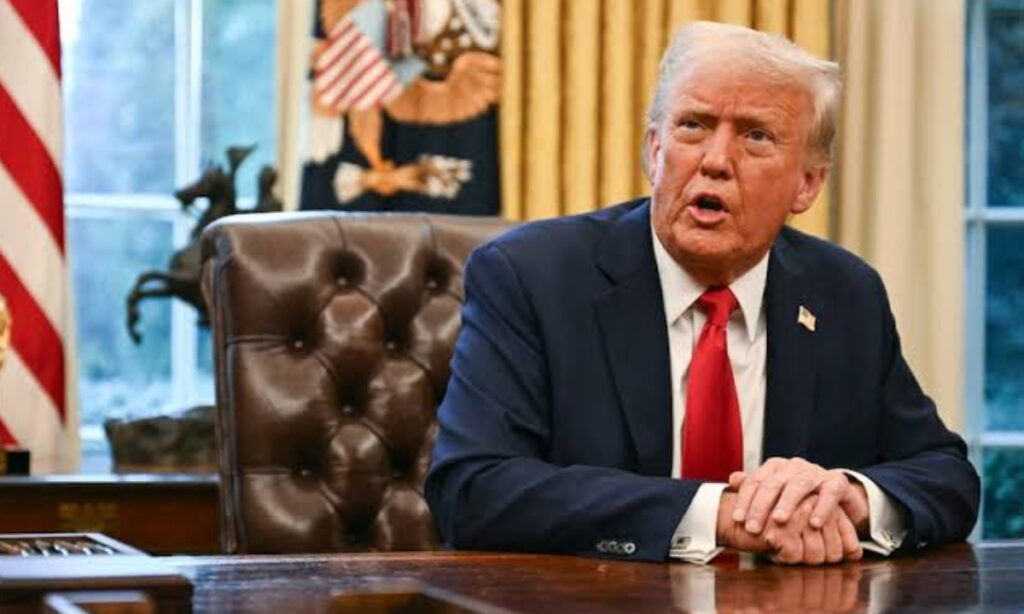
The US Supreme Court has dealt a major legal setback to President Donald Trump by striking down his executive order aimed at restricting birthright citizenship, reaffirming that children born on American soil are entitled to US citizenship regardless of their parents’ immigration status.
The ruling, delivered on June 30, reinforces the long-standing interpretation of the 14th Amendment to the US Constitution, which guarantees citizenship to nearly everyone born in the United States. The court found that a president cannot unilaterally alter constitutional rights through an executive order, leaving any such change to Congress or a constitutional amendment.
Trump had argued that birthright citizenship encourages illegal immigration and “birth tourism,” asserting that the constitutional provision was never intended to apply to children of undocumented immigrants or temporary visitors. His administration’s executive order sought to deny automatic citizenship to babies born in the US unless at least one parent was a US citizen or lawful permanent resident.
The decision marks one of the most significant legal defeats for Trump’s immigration agenda, which has focused heavily on tightening border security, increasing deportations, and limiting pathways to citizenship.
Civil rights groups and immigration advocates welcomed the ruling, calling it a victory for the Constitution and millions of immigrant families. Legal experts noted that the Supreme Court’s decision preserves more than a century of legal precedent established by the landmark 1898 case United States v. Wong Kim Ark, which confirmed that the Citizenship Clause of the 14th Amendment applies broadly to those born on US soil.
While the ruling leaves birthright citizenship intact, the broader political debate over immigration is expected to remain a central issue in the United States, particularly as the country heads toward future elections. The decision underscores the judiciary’s role in defining the limits of presidential authority over constitutional rights.