
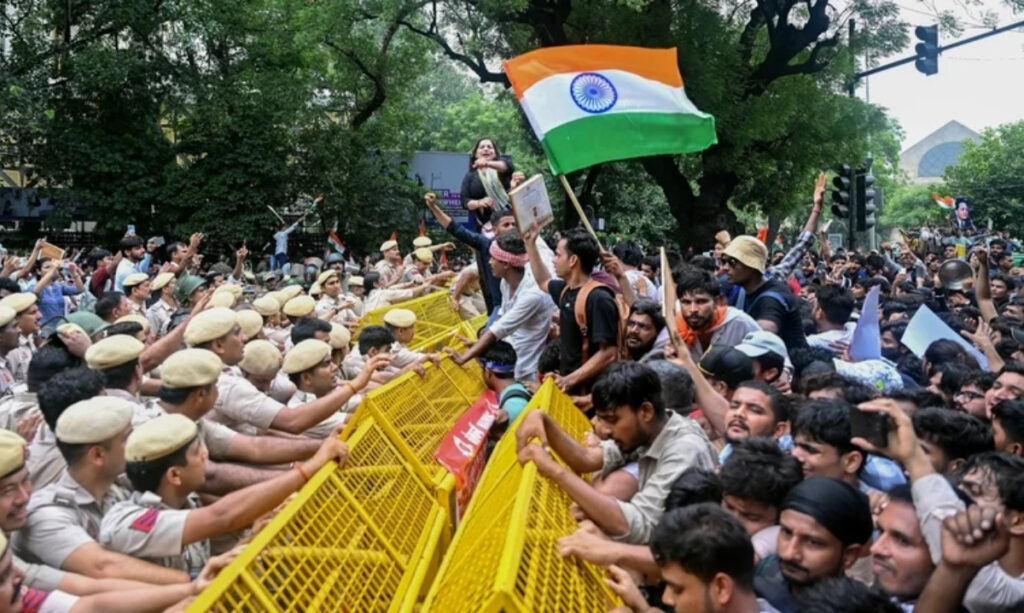
Indian Prime Minister Narendra Modi has announced the formation of a high-powered task force to overhaul the country’s examination system following weeks of nationwide student protests that culminated in the resignation of the federal education minister.
In a video message posted on X on Sunday, Modi said the government had decided to establish a special panel headed by Nandan Nilekani, co-founder of IT giant Infosys, to restore public confidence in India’s examination process.
“Our examination system must be reliable. Our examination system must be transparent. Our examination system must make maximum use of technology,” Modi said, adding that the government would move swiftly to ensure the credibility of upcoming exams.
The announcement came a day after the Education Minister resigned amid mounting public pressure over exam irregularities and other concerns affecting millions of students.
The protests were led by the social media-driven Cockroach Janta Party (CJP), which mobilized thousands of demonstrators—mostly students—to New Delhi’s Jantar Mantar, marking one of the country’s largest anti-government demonstrations in recent years.
After weeks of sit-ins and rallies, protesters celebrated on Saturday as the government accepted several key demands, including reforms to the examination system. By Sunday morning, municipal workers had cleared the protest site, washing streets that had been filled with slogans, protest songs, and graffiti just hours earlier.
The newly formed task force is expected to recommend measures to improve transparency, strengthen security against exam paper leaks and malpractice, and expand the use of technology in conducting examinations.
India has witnessed repeated controversies over competitive exams in recent years, with allegations of question paper leaks, cheating, and administrative failures affecting recruitment and university entrance tests. The issue has fueled growing frustration among young people competing for limited educational and government job opportunities.