
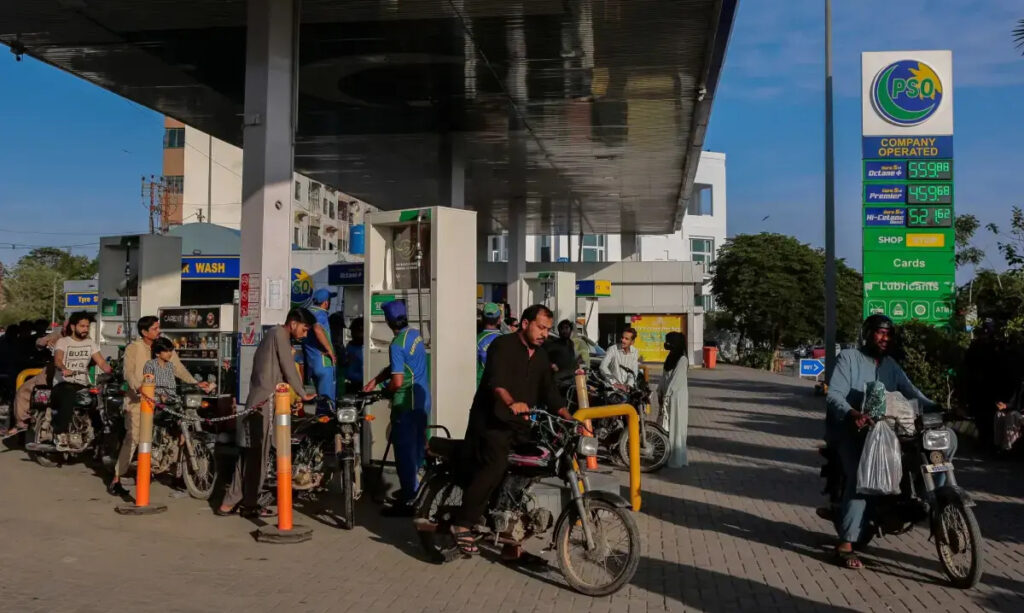
The All Pakistan Petrol Pumps Association has announced an indefinite nationwide shutdown of petrol pumps starting 12:00 am on Wednesday night, following the collapse of negotiations with the Ministry of Petroleum over the government’s newly approved daily fuel pricing system.
In a video statement, the association’s Secretary General Nauman Ali Butt said talks with the Petroleum Ministry had failed and accused the government of ignoring the concerns of petrol pump owners.
He said the association “completely rejects” the proposed daily petroleum pricing mechanism, arguing that changing fuel prices daily is impractical for dealers and will create operational and financial challenges for filling stations nationwide.
Following the unsuccessful negotiations, Butt announced that petrol pumps across Pakistan would remain closed for an indefinite period beginning at midnight unless the government withdraws the new policy.
The strike call comes just days after the federal cabinet approved a major overhaul of Pakistan’s petroleum pricing system. Under the new framework, the Oil and Gas Regulatory Authority (OGRA) will determine and publish daily ex-depot prices for petrol and high-speed diesel based on the rolling average of international Platts prices over the previous seven working days. Fuel prices will remain unchanged on Saturdays and Sundays. The government says the move is aimed at improving transparency, ensuring quicker reflection of global oil price movements, and reducing direct government involvement in fuel price-setting.
Petroleum Minister Ali Pervaiz Malik has defended the reforms, saying the daily pricing mechanism will make the petroleum market more transparent, discourage hoarding and speculation, and allow consumers to benefit more quickly whenever international oil prices decline.
The strike announcement has created uncertainty for motorists and transport operators, especially after the government recently increased fuel prices. Long queues at filling stations are expected if consumers rush to stock up before the shutdown.
The development also comes amid broader reforms in Pakistan’s petroleum sector, including deregulation efforts and changes to fuel import and pricing policies aimed at aligning domestic prices more closely with international market trends.