
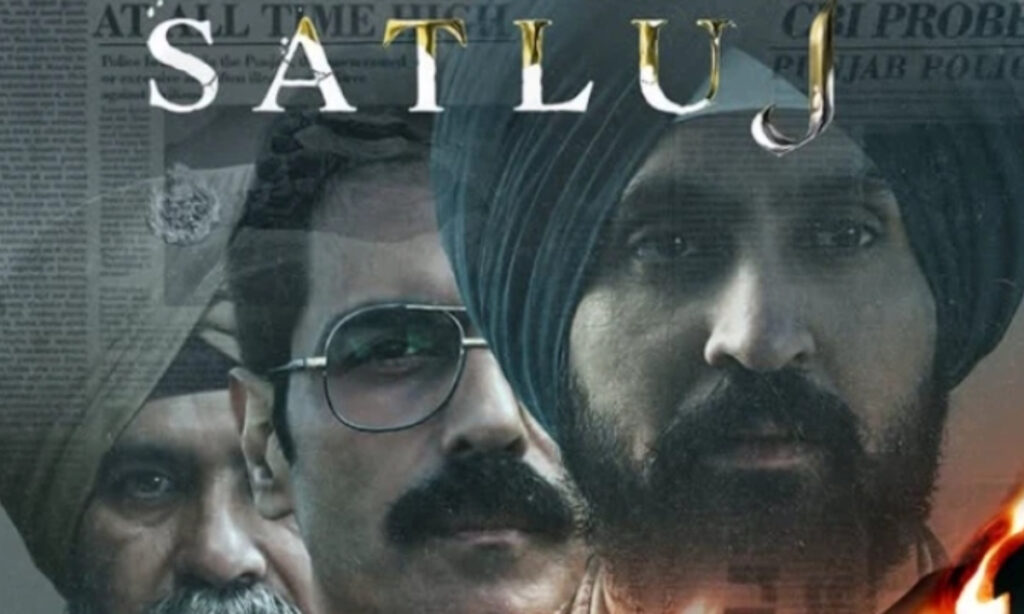
India’s attempt to suppress the release of Satluj has triggered an unexpected public response, with citizens reportedly downloading the film and organizing packed community screenings across Punjab after it was removed from the ZEE5 streaming platform.
The film, starring Diljit Dosanjh, is based on the life of renowned human rights activist Jaswant Singh Khalra, who exposed alleged extrajudicial killings and illegal cremations during Punjab’s insurgency in the 1980s and 1990s. After years of censorship hurdles, Satluj premiered on ZEE5 on July 3 but was taken down in India on July 5, with the platform citing “current developments” and making it unavailable until further notice.
The removal of the film sparked widespread controversy, but authorities have struggled to stop its circulation. Across several towns and villages in Punjab, residents have reportedly set up makeshift cinemas and large-screen community screenings after downloading the film, drawing packed audiences and turning local venues into house-full gatherings. Similar community screenings have also been reported at Sikh institutions and community spaces.
Reacting to the growing public response, lead actor Diljit Dosanjh said that once people had downloaded the film, it could no longer be suppressed.
“People have already downloaded the film. It cannot be buried anymore. Our voices have been silenced before, but that is no longer possible,” he said during a live social media session after the film’s removal.
Originally developed under the title Punjab 95, the film reportedly spent more than three years awaiting certification after India’s censor board sought extensive edits and changes before its eventual OTT release under a new title.
Jaswant Singh Khalra became internationally known after documenting alleged enforced disappearances, illegal cremations, and extrajudicial killings in Punjab during the militancy era. In 1995, he was abducted, and investigators later concluded that he had been murdered by police officers, several of whom were subsequently convicted in connection with the killing.
The controversy surrounding Satluj has reignited debate over censorship, artistic freedom, and how historical events are portrayed in Indian cinema, with critics arguing that the film’s removal has only amplified public interest in its message.